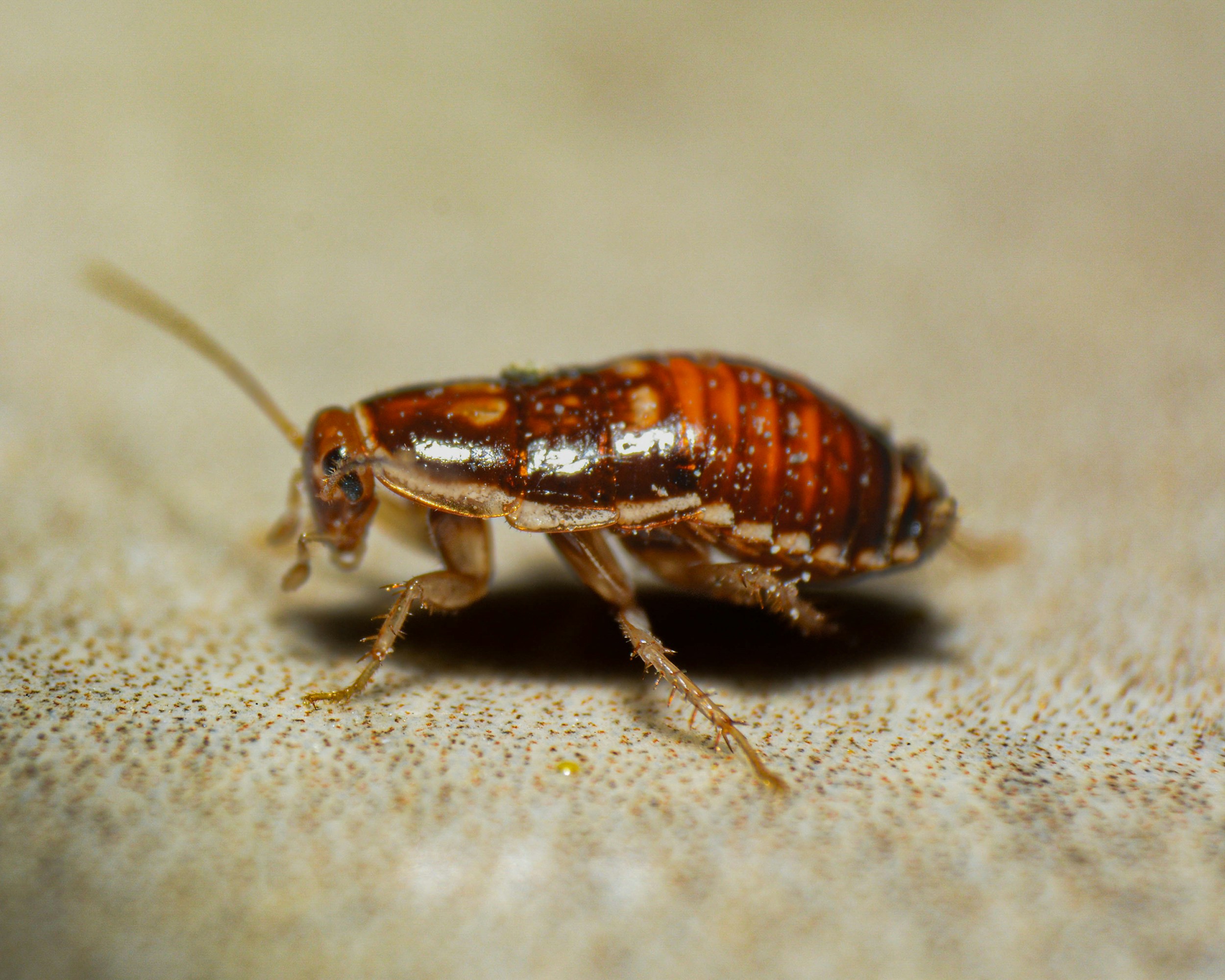
Bedbugs are among the most frustrating household pests because they can live in close proximity to people while remaining difficult to detect. These small insects feed on blood and are commonly found in areas where people sleep or rest.
For homeowners in Westfield, discovering bedbugs can be stressful. An infestation may begin with only a few insects, but bedbugs can reproduce and spread into additional hiding places if the problem is not addressed.
Understanding how bedbugs enter homes, where they hide, and what signs to look for can help homeowners respond more effectively.
How Bedbugs Get Inside Homes
Bedbugs are excellent at traveling unnoticed. They can be transported in luggage, clothing, used furniture, mattresses, bedding, and other personal belongings.
A person does not have to live in an unclean home to experience a bedbug problem. Bedbugs are attracted to people rather than dirt, and they can establish themselves in homes of virtually any size or condition.
Travel is one possible source of introduction. Bedbugs may hide in hotel furniture, luggage storage areas, upholstered seating, and other places where people spend time.
Used furniture is another potential source. Secondhand mattresses, couches, bed frames, and other upholstered items should be inspected carefully before being brought indoors.
Recognizing Bedbug Bites
Some people notice skin irritation or itchy welts after being bitten by bedbugs. Bites may appear in groups or lines, although reactions vary significantly between individuals.
Not everyone reacts to bedbug bites, and skin irritation can have many possible causes.
For this reason, bites alone should not be considered definitive proof of an infestation. Physical evidence of the insects is more useful when determining whether bedbugs are present.
Where Bedbugs Hide
Bedbugs are small and flat, allowing them to hide in narrow spaces.
Common hiding places include mattress seams, box springs, bed frames, headboards, upholstered furniture, baseboards, cracks, and gaps around furniture.
They may also hide behind pictures, inside furniture joints, and around electrical or structural openings.
Although bedbugs are commonly associated with beds, they are not limited to bedrooms. They can spread into living rooms, guest rooms, and other areas where people spend time.
Signs of a Bedbug Infestation
Several clues may indicate bedbug activity.
Look for small dark spots on mattresses, bedding, furniture, and nearby surfaces. These may be fecal stains left by bedbugs.
You may also discover shed insect skins, small eggs, or live insects hiding around mattress seams and furniture joints.
A flashlight and careful inspection can help reveal activity in places that are normally overlooked.
Why Bedbugs Are Difficult to Eliminate
Bedbugs are challenging because they hide in numerous locations and can survive for extended periods without feeding.
Treating only the mattress may leave insects hiding in bed frames, furniture, baseboards, and other nearby areas.
Some household products may kill insects that come into direct contact with them without reaching the hidden population.
A successful approach must account for the extent of the infestation and the different locations where bedbugs may be hiding.
Preparing for Bedbug Treatment
Preparation can be an important part of addressing a bedbug problem.
Bedding and clothing may need to be laundered and dried using appropriate heat settings. Items should be handled carefully to avoid spreading insects to other rooms.
Clutter should be reduced so that potential hiding places are easier to inspect.
Furniture should not be moved into other rooms without considering the possibility of transporting bedbugs.
Follow the preparation instructions provided by the pest control professional, since treatment requirements can vary.
Bedbug Prevention After Travel
Travelers can take several precautions to reduce the chance of bringing bedbugs home.
Inspect hotel mattresses, headboards, and nearby furniture when checking into a room. Keep luggage elevated and away from beds when practical.
After returning home, inspect luggage and belongings before putting everything away. Clothing can be laundered and dried according to its care instructions.
These measures cannot guarantee that bedbugs will never enter a home, but they can reduce opportunities for introduction.
Bedbug Control Throughout Hamilton County
Bedbugs can affect homes and apartments throughout the region. They are not restricted to older buildings, hotels, or properties with poor maintenance.
Homeowners can find local pest control information for Westfield, Carmel, Noblesville, and Fishers.
Bedbug problems can also occur in Cicero, Sheridan, Arcadia, and Atlanta.
Why Professional Treatment Is Important
Bedbug control often requires more than one simple treatment.
A professional can inspect the affected areas, identify likely hiding places, and recommend an appropriate treatment plan.
Depending on the situation, additional inspections or follow-up treatments may be necessary. The goal is to address the infestation throughout the affected areas rather than simply eliminating the insects that are easiest to see.
Do Not Let Bedbugs Spread
Bedbugs can be difficult to manage once they become established, but early identification can help limit the extent of an infestation.
Pay attention to unusual insect activity around beds and upholstered furniture, inspect secondhand furniture before bringing it inside, and take precautions when traveling.
If you suspect bedbugs in your Westfield home, getting the situation evaluated is a sensible next step. A thorough approach to bedbug control can help restore comfortable sleeping areas and reduce the chances of the infestation spreading throughout the home.