Spending time outside is one of the enjoyable parts of living in Westfield, Indiana. Whether relaxing on a patio, working in the garden, walking the dog, or enjoying a backyard gathering, homeowners want to be able to use their outdoor spaces comfortably.
Unfortunately, mosquitoes and ticks can make outdoor activities less enjoyable. Both pests can be found around residential properties, particularly where moisture, vegetation, and suitable animal hosts are available.
Although mosquitoes and ticks behave differently, both require attention when homeowners are trying to maintain a comfortable and protected outdoor environment.
Why Mosquitoes Become a Problem
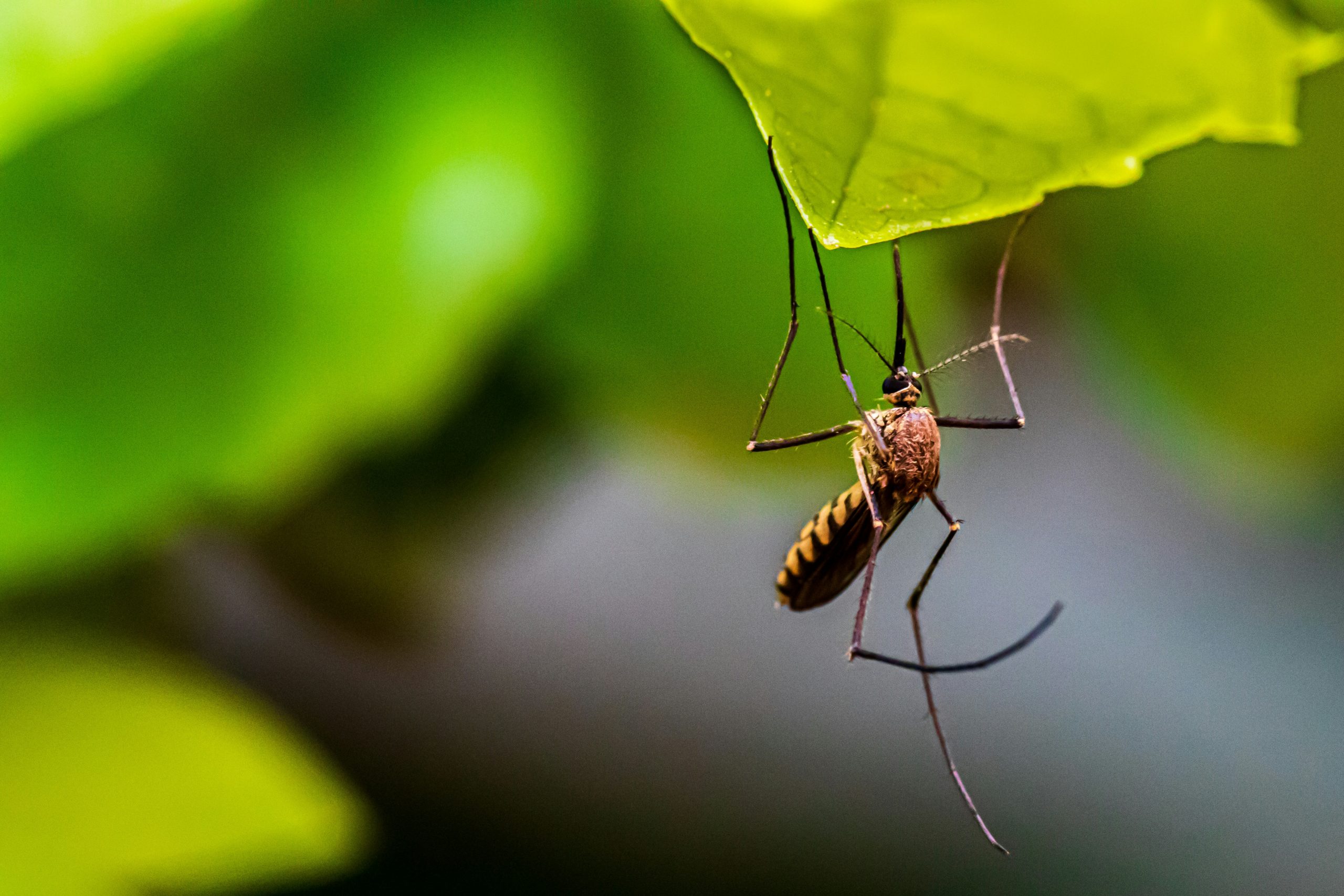
Mosquitoes require water to reproduce. Female mosquitoes lay eggs in or near water, depending on the species, and their immature stages develop in aquatic environments.
Residential properties can provide numerous breeding opportunities.
Buckets, birdbaths, clogged gutters, plant saucers, discarded containers, toys, and other objects can collect enough water to support mosquito development.
Even small amounts of standing water can become a problem when conditions are favorable.
Finding Mosquito Breeding Areas
Homeowners should inspect the property regularly for water that is not draining properly.
Check gutters, outdoor containers, drainage areas, and landscaping features. Empty water from items that are not intended to hold it.
Birdbaths and other necessary water features should be maintained and cleaned regularly.
Swimming pools should be properly maintained, and unused containers should be stored where rainwater cannot collect.
Reducing breeding opportunities is an important part of mosquito prevention.
Why Mosquitoes Are Attracted to People
Mosquitoes locate potential hosts using several environmental signals, including carbon dioxide, body odors, and heat.
This is why mosquitoes may remain active around patios, decks, and outdoor seating areas where people gather.
Some species are particularly active during dawn and dusk, while others can bite during the daytime.
Protective clothing, appropriate insect repellents, and reducing exposure during periods of high activity can help make outdoor activities more comfortable.
Understanding Tick Habitats
Ticks are different from mosquitoes because they do not reproduce in standing water.
They are commonly associated with grassy areas, leaf litter, wooded edges, brush, and vegetation where suitable animal hosts travel.
Ticks wait on vegetation or move through environments where they can encounter people and animals.
Properties with wooded borders, overgrown vegetation, or areas frequented by wildlife may provide suitable tick habitat.
Reducing Tick Activity Around Your Property
Keep grass maintained and remove unnecessary leaf litter from frequently used areas.
Trim vegetation along walkways, play areas, and outdoor seating spaces. Consider creating a maintained transition between lawns and wooded areas.
Firewood and outdoor materials should be stored neatly rather than allowed to accumulate in dense piles.
Pets should also receive appropriate tick prevention from a veterinarian. Regularly checking pets after outdoor activities can help identify ticks before they become established indoors.
Mosquitoes and Ticks Require Different Strategies
Although these pests are often discussed together, controlling them involves different considerations.
Mosquito management focuses heavily on eliminating standing water and addressing adult mosquito activity.
Tick management involves reducing suitable habitat, maintaining vegetation, managing wildlife access where practical, and checking people and pets after outdoor activities.
Using the same approach for both pests will not necessarily produce good results.
Outdoor Pest Control in Westfield
Mosquito and tick activity can occur throughout Westfield and nearby communities.
Homeowners can find local pest control information for Westfield, Carmel, Noblesville, and Fishers.
Outdoor pest concerns can also affect properties in Cicero, Sheridan, Arcadia, and Atlanta.
Property conditions vary, so outdoor pest management should take into account the specific landscaping, drainage, and vegetation surrounding each home.
Protecting Children and Pets
Families with children and pets should pay particular attention to outdoor pest prevention.
Check play equipment, lawn furniture, and frequently used outdoor areas for standing water and dense vegetation.
After spending time in grassy or wooded locations, check clothing and exposed skin for ticks. Examine pets as well, particularly around their ears, necks, legs, and other areas where ticks may attach.
If a tick is attached, remove it promptly using appropriate tick-removal techniques. Seek medical advice if symptoms or concerns develop after a tick bite.
When Professional Outdoor Pest Control Can Help
Some mosquito and tick problems can be reduced through basic property maintenance. However, persistent activity may require additional attention.
Professional pest control can help evaluate conditions around the property and determine whether treatment is appropriate.
Treatment recommendations should consider the pest involved, the location, the presence of people and pets, and the potential impact on beneficial insects and other wildlife.
Enjoy Your Outdoor Space
Mosquitoes and ticks are part of the outdoor environment, but homeowners can take meaningful steps to reduce their presence around residential properties.
Eliminating standing water, maintaining vegetation, reducing leaf litter, and checking people and pets after outdoor activities are useful habits.
For residents of Westfield and surrounding communities, combining these preventative steps with appropriate professional pest management can help make outdoor areas more comfortable throughout the warmer months.