Bees and other stinging insects play an important role in the environment, but they can become a concern when they establish nests too close to homes, patios, walkways, and other frequently used areas. Homeowners in Westfield, Indiana, may encounter bees around gardens, trees, rooflines, sheds, decks, and openings in exterior walls.
Although bees are generally beneficial insects, having a colony near a doorway or outdoor living area can create an uncomfortable situation. It is important to understand which insects are present before deciding how to handle the problem.
Why Bees Visit Residential Properties
Bees are attracted to flowers and other sources of pollen and nectar. Properties with gardens, flowering shrubs, fruit trees, and landscaping can provide valuable food sources.
During warmer months, homeowners may notice bees moving between flowers throughout the yard. This is generally normal activity and does not necessarily indicate that a nest is located on the property.
Problems are more likely when bees establish a colony in a wall cavity, tree, shed, or another location close to people.
Recognizing Different Stinging Insects
Not every flying insect that stings is a honeybee. Homeowners may encounter honeybees, bumblebees, carpenter bees, yellow jackets, and other wasps.
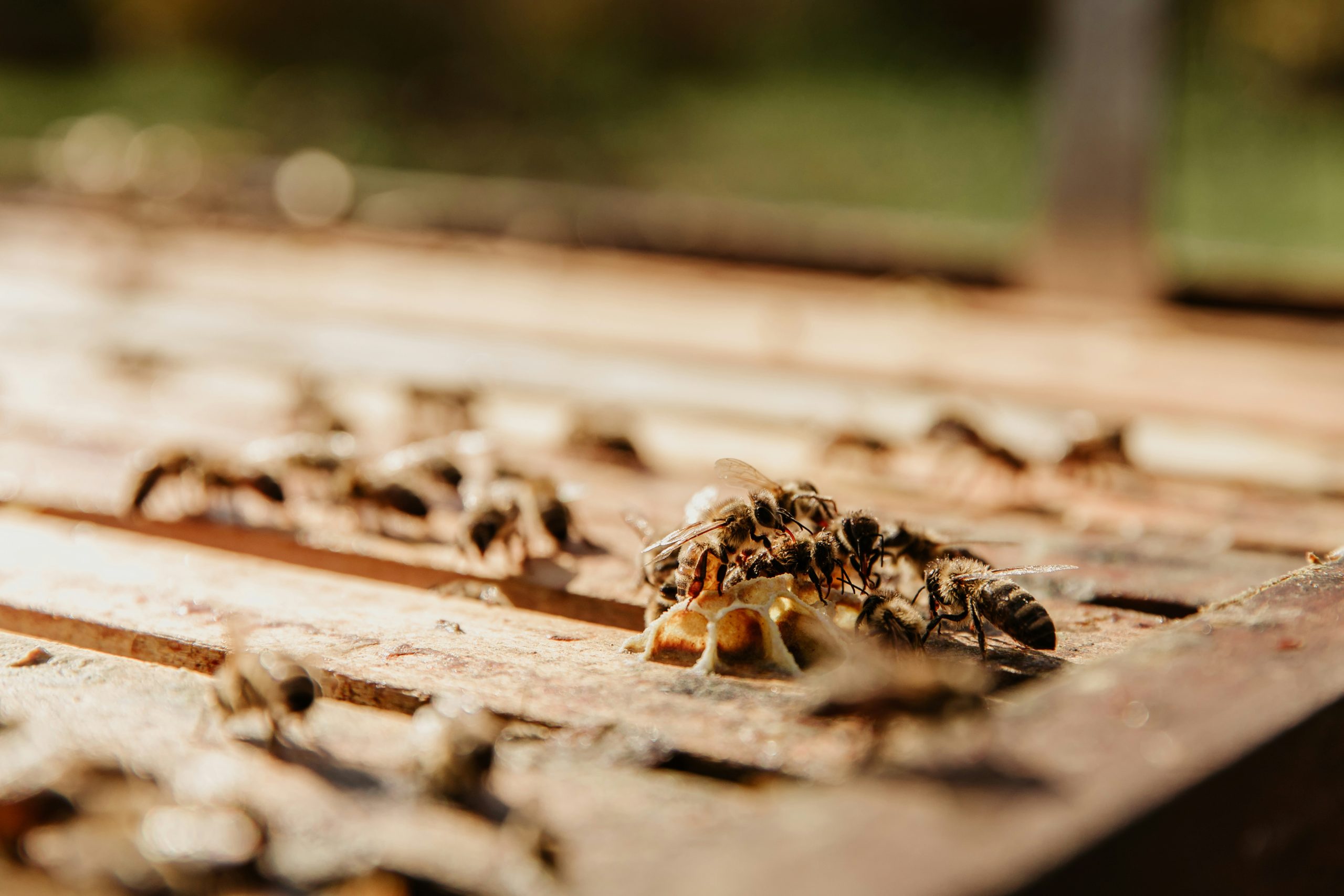
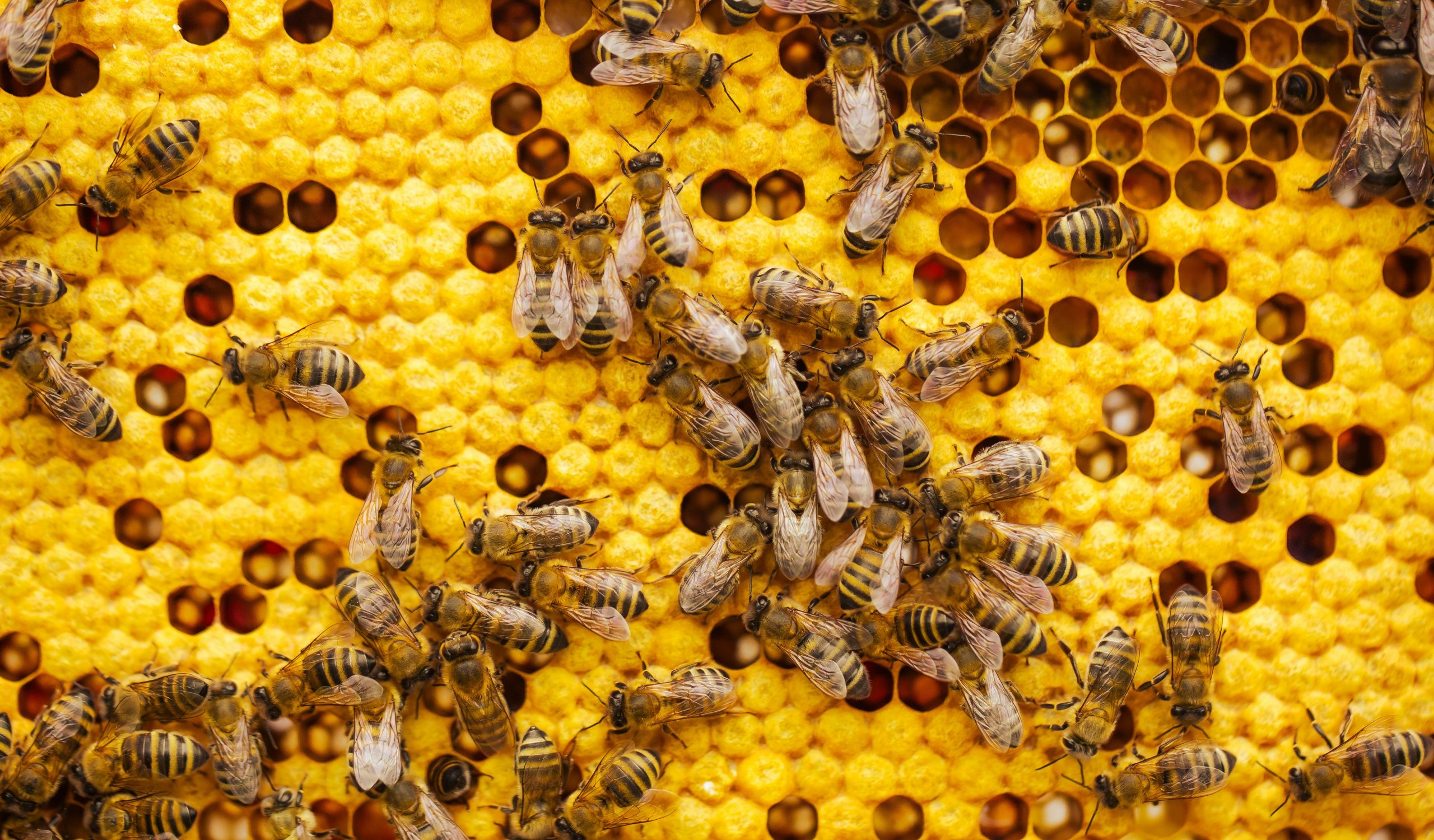
Honeybees are generally smaller and often have a fuzzy appearance. Bumblebees are larger and noticeably hairy. Carpenter bees are commonly seen hovering around wooden structures and may bore into untreated or weathered wood.
Yellow jackets are wasps rather than bees. They can become particularly aggressive around food, garbage, and areas near their nests.
Correct identification matters because different insects behave differently and require different management approaches.
Carpenter Bees Around Wooden Structures
Carpenter bees can become a concern for homeowners because they excavate tunnels in wood to create nesting areas.
They may be found around decks, fences, wooden siding, eaves, pergolas, and other structures.
One common indication of carpenter bee activity is a round entrance hole in exposed wood. Sawdust-like material may also be visible below the opening.
Repeated carpenter bee activity can contribute to damage, particularly when the same wooden areas are used for nesting over multiple seasons.
Maintaining exterior wood, applying appropriate protective finishes, and repairing damaged areas can help discourage nesting.
Where Bees and Wasps May Establish Nests
Nests can occur in many locations around a property.
Bees may establish colonies in hollow trees, wall cavities, sheds, and other protected spaces. Wasps may build nests beneath roof overhangs, inside garages, around decks, and in landscaping.
Yellow jackets can also nest underground, making their colonies difficult to recognize until people or pets get too close.
Homeowners should avoid disturbing an unfamiliar nest. Attempting to remove it without proper knowledge and equipment can result in multiple stings.
Why Stinging Insect Nests Should Be Handled Carefully
Stinging insects can become defensive when they believe their nest is threatened.
Some people experience significant allergic reactions to stings, making unexpected encounters particularly concerning.
If a nest is located near an entrance, walkway, playground, patio, or other frequently used area, it may need professional attention.
Do not hit, burn, seal, or spray an active nest without understanding the risks. Disturbing a colony can cause insects to become more aggressive.
Preventing Stinging Insects Around Your Home
Homeowners can take several steps to reduce the attraction of certain stinging insects.
Keep garbage containers covered and clean outdoor eating areas promptly. Sweet drinks, fruit, meat, and other food sources can attract yellow jackets and wasps.
Inspect rooflines, sheds, decks, and other protected locations periodically for early nest development.
Maintain wooden structures and address damaged areas that may attract carpenter bees.
Landscaping should also be maintained so that frequently used areas remain accessible and easy to inspect.
Bee and Stinging Insect Control in Westfield and Nearby Areas
Stinging insect problems can occur throughout Hamilton County and nearby communities.
Homeowners seeking pest control information can explore Westfield, Carmel, Noblesville, and Fishers.
Properties in Cicero, Sheridan, Arcadia, and Atlanta can also experience bee and wasp activity around homes and outdoor structures.
When to Contact a Professional
Professional assistance is advisable when a nest is located in an inaccessible area, when stinging insects are repeatedly entering a structure, or when a colony is close to an area where people regularly gather.
A professional can help identify the insect and determine the safest appropriate approach.
If honeybees are involved, relocation by a qualified beekeeper may be an option in appropriate circumstances. Not every situation requires extermination, and protecting beneficial pollinators is worth considering.
Keep Outdoor Areas Comfortable
Bees and other stinging insects are a normal part of the environment around Westfield. The goal is not to eliminate every bee visiting a flower garden, but to address situations where nesting activity creates a genuine safety or property concern.
Regular inspections, proper maintenance, and careful attention to potential nesting locations can help homeowners reduce unwanted encounters.
When a nest becomes a problem, professional evaluation can help determine the best way to protect the property while considering the type of insect involved.